
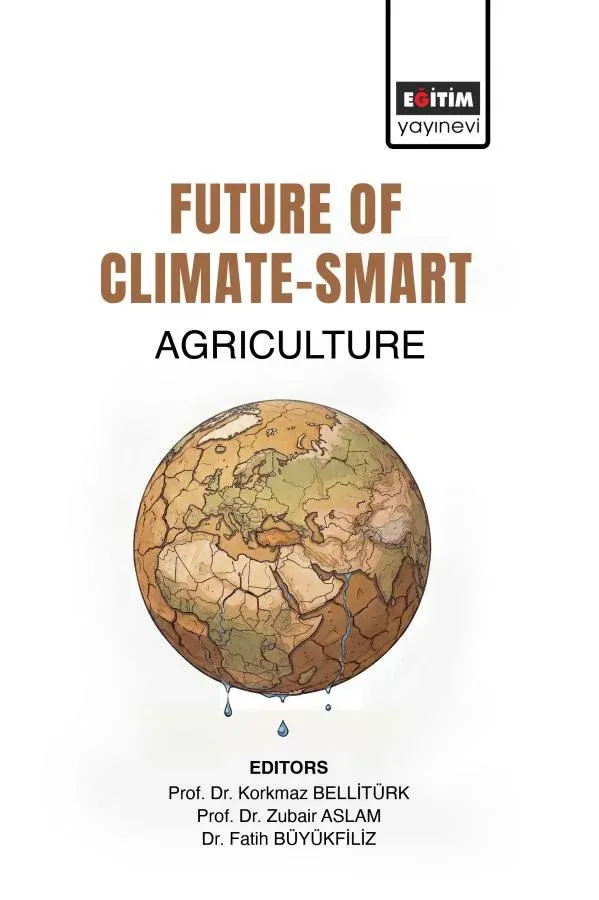
Future of Climate-Smart Agriculture

This book brings together the collective wisdom of experts, researchers, and practitioners who have dedicated their efforts to explore innovative ways to manage and utilize sustainable agriculture.
Ecosystem balancing and environmental sustainability are key factors for long lasting sustainability of humans on earth. Agroecosystems have been significantly polluted by anthropogenic activities particularly the extensive use of inorganic chemicals, fertilizers and pesticides. To address these issues, soil organisms would be a great choice for sustainable agriculture without affecting the environment. Soil fertility is one of the important factors for crop production and protection. Earthworms improve the soil fertility through making nutrients easily available to plants by degrading organic matter and increasing soil porosity which improves good root penetration and water infiltration capacity. Earthworms also increase the microbial activity of soil, which indirectly improves the plant growth. Earthworms not only enhance plant growth; they also improve plant health. However, in the modern agricultural practices, the use of chemical fertilizers enhances the crop productivity while simultaneously degrading soil fertility. The use of appropriate organic manure, instead of relying on inorganic chemicals, can increase earthworm abundance in the soil, thereby promoting sustainable agricultureThe world population is increasing day by day and reportedly will rise to ten billion by 2050. More population means a greater need for more daily life necessities that will lead to more organic waste production. Waste has become a major global issue, as it adversely affects all forms of biological life on Earth.. Environmental issues triggered by wastes are water, air, and soil contamination, which pose threats to human health. The contemporary research works have elaborated the hazardous physiochemical effects of wastes on biota especially in fresh water and terrestrial living organism.
- Açıklama
This book brings together the collective wisdom of experts, researchers, and practitioners who have dedicated their efforts to explore innovative ways to manage and utilize sustainable agriculture.
Ecosystem balancing and environmental sustainability are key factors for long lasting sustainability of humans on earth. Agroecosystems have been significantly polluted by anthropogenic activities particularly the extensive use of inorganic chemicals, fertilizers and pesticides. To address these issues, soil organisms would be a great choice for sustainable agriculture without affecting the environment. Soil fertility is one of the important factors for crop production and protection. Earthworms improve the soil fertility through making nutrients easily available to plants by degrading organic matter and increasing soil porosity which improves good root penetration and water infiltration capacity. Earthworms also increase the microbial activity of soil, which indirectly improves the plant growth. Earthworms not only enhance plant growth; they also improve plant health. However, in the modern agricultural practices, the use of chemical fertilizers enhances the crop productivity while simultaneously degrading soil fertility. The use of appropriate organic manure, instead of relying on inorganic chemicals, can increase earthworm abundance in the soil, thereby promoting sustainable agricultureThe world population is increasing day by day and reportedly will rise to ten billion by 2050. More population means a greater need for more daily life necessities that will lead to more organic waste production. Waste has become a major global issue, as it adversely affects all forms of biological life on Earth.. Environmental issues triggered by wastes are water, air, and soil contamination, which pose threats to human health. The contemporary research works have elaborated the hazardous physiochemical effects of wastes on biota especially in fresh water and terrestrial living organism.Stok Kodu:9786258793291Boyut:16,5x24Sayfa Sayısı:437Basım Yeri:AnkaraBaskı:1Basım Tarihi:Haziran 2026Kapak Türü:Amerikan ciltKağıt Türü:1. hamurDili:İngilizce
- Taksit Seçenekleri
- Tüm KartlarTaksit SayısıTaksit tutarıGenel ToplamTek Çekim526,50526,50
- Yorumlar
- Yorum yazBu kitabı henüz kimse eleştirmemiş.


-
%22Yeni

-
%22Yeni
-
%22Yeni
-
%22Yeni
-
%22Yeni
-
%22Yeni